
Heat Pump Not Heating Properly? Common Causes & Fixes
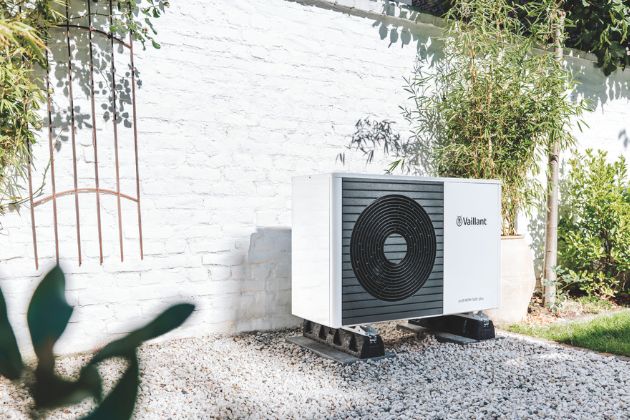
If your air source heat pump is running but your home still feels chilly, it can be frustrating and worrying. The good news is that many issues are simple to understand, and some checks are perfectly safe for homeowners to carry out before calling an engineer.
Understanding what “normal” heat pump heating looks like
Heat pumps behave differently from gas or oil boilers, so what feels wrong is sometimes completely normal. Rather than blasting out very hot water, a heat pump works best at lower, steady temperatures over longer periods.
Radiators and underfloor heating fed by a heat pump will usually feel warm rather than piping hot. The real measure of performance is whether your rooms reach and hold the set temperature, not how hot the radiators feel to the touch.
It is also normal for the outdoor unit to run for long periods and for the fan to change speed. In cold or damp weather, the unit will occasionally go into a defrost cycle, where steam may be visible and the fan may pause briefly. This is expected behaviour, not a fault.
Quick homeowner checks before calling an engineer
There are a few basic checks you can carry out safely without tools. These can often restore performance or at least help you describe the issue clearly to a heating engineer.
- Check room thermostats: Make sure they are set to heating mode with suitable target temperatures.
- Confirm timers/programmes: Ensure heating schedules are actually active and not on holiday or frost mode.
- Inspect filters and vents: If your system has accessible air filters, check and clean them as per the manual.
- Look for blocked airflow outside: Clear leaves, bags and debris around the outdoor unit, keeping at least 30 cm clearance on all sides.
- Bleed radiators (if you know how): Release trapped air carefully with a bleed key and protect floors from drips.
If any of these checks restore normal warmth within a few hours, you may have avoided a callout. If not, it is time to look a bit deeper into likely causes.
Settings and controls: common causes of poor heating
Heating curve and flow temperature set too low
Many heat pumps use a “heating curve” to decide how hot the water should be, based on the outdoor temperature. If that curve is set too low, the system may never quite catch up with the heat loss from your home.
You can usually adjust the curve or target flow temperature on the main controller. Small changes are best: increase the curve or flow temperature by one step, then give the system several hours to respond. If you are unsure, make a note of your current settings and ask an engineer to optimise them for your property.
Thermostat and programmer conflicts
In homes across Surrey, it is common to have a mixture of controls: the heat pump controller, room thermostats and possibly smart thermostats. If these are not set up to work together, one control can fight another.
Check that:
- Only one device is acting as the main temperature controller for each zone
- Schedules are aligned, so the heat pump is not being asked to stop just as rooms start calling for heat
- Any smart controls are configured specifically for heat pumps, not traditional boilers
If you suspect a controls conflict, do not start rewiring or altering installer menus yourself. An engineer should review the setup, especially where smart controls have been retrofitted.
Airflow, filters and outdoor unit issues
Dirty filters and indoor airflow
Some systems have air filters on indoor fan units or in ventilation systems. If these are clogged, warm air cannot circulate properly, leading to cold spots and longer run times.
Follow the manufacturer’s instructions to clean or replace filters. This is a safe homeowner task and should be done regularly, particularly in homes with pets or on busy Surrey roads where dust levels are higher.
Blocked outdoor airflow in tight plots
In close-set terraces and semi-detached properties around Surrey, outdoor units are often fitted in side paths, small gardens or on patios. If plants, fences or stored items crowd the unit, airflow is restricted and efficiency drops.
Make sure there is at least 30 cm clear space around the sides and good free space in front of the fan. Remove leaf litter, garden furniture and any stored items that could obstruct air movement. Check that nearby walls or fences are not reflecting noise or vibration into neighbouring properties, as that can prompt people to stack items nearer the unit, unintentionally blocking it.
Defrost cycles, ice and what counts as a fault
In cold, damp conditions, the outdoor unit will naturally build up frost on the coil. The heat pump periodically reverses itself to warm the outdoor coil and melt this frost. You may notice clouds of steam and a brief drop in indoor heat output while this happens.
Light frost that clears during defrost cycles is normal. However, heavy ice that spreads across the casing, does not melt between defrosts, or thick icicles around the base can be a sign of a problem. This may relate to poor drainage, refrigerant issues or faulty sensors, which are strictly engineer-only territory.
Wet systems: pressure, air and circulation problems
Low system pressure
If your heat pump feeds radiators or underfloor heating, the system will usually have a pressure gauge, much like a boiler. If the pressure is very low, circulation and heat transfer suffer.
Some homeowners are comfortable topping up pressure using the filling loop, but this should be done cautiously and with reference to the user manual. If pressure drops repeatedly, or you are unsure where the filling loop is, contact an engineer rather than guessing.
Air in radiators or underfloor loops
Trapped air reduces the ability of radiators or underfloor circuits to emit heat. Radiators that are cool at the top and warm at the bottom often just need bleeding.
If you’ve tried these checks and your heat pump still isn’t heating properly, don’t wait. Contact RCB today for a full diagnosis and expert servicing to restore your heating system’s performance.
Discover our heat pump services or explore smart controls to optimise your heating efficiency and comfort.
Looking for Heat pump repair in Epsom, Sutton, Carshalton, Surrey?
If you need professional heat pump repair or maintenance, RCB Plumbing Heating Renewables is here to help. Our experienced heating engineers understand local challenges like close-set terraces, tight outdoor spaces, and Surrey’s specific climate. We provide reliable, expert service to keep your heat pump running efficiently year-round.
Contact us on 02082617499 or fill out our contact form to book your heat pump diagnosis or servicing appointment and enjoy a warmer, more comfortable home.
Ready for Expert Plumbing & Heating?
Don't wait until a small issue becomes a costly emergency. Contact RCB Plumbing Ltd today for fixed-price, same-day service across South London and Surrey from our Gas Safe qualified experts.
